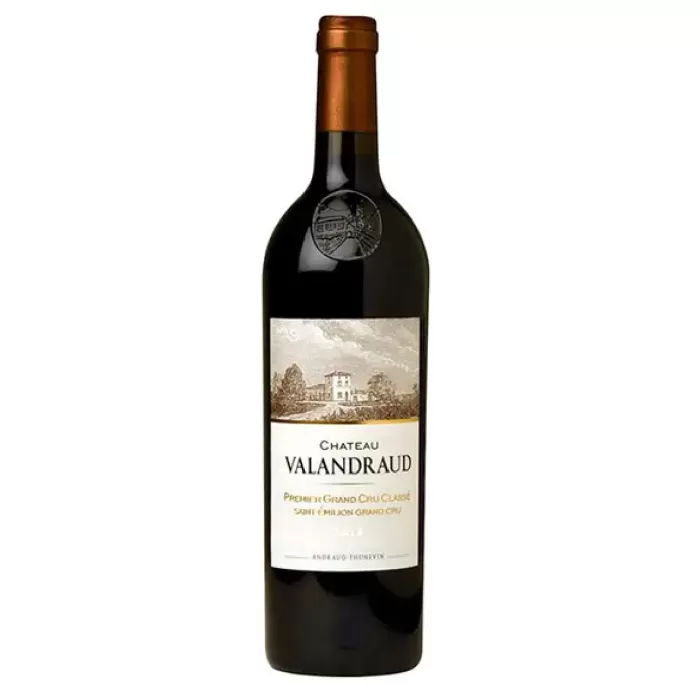
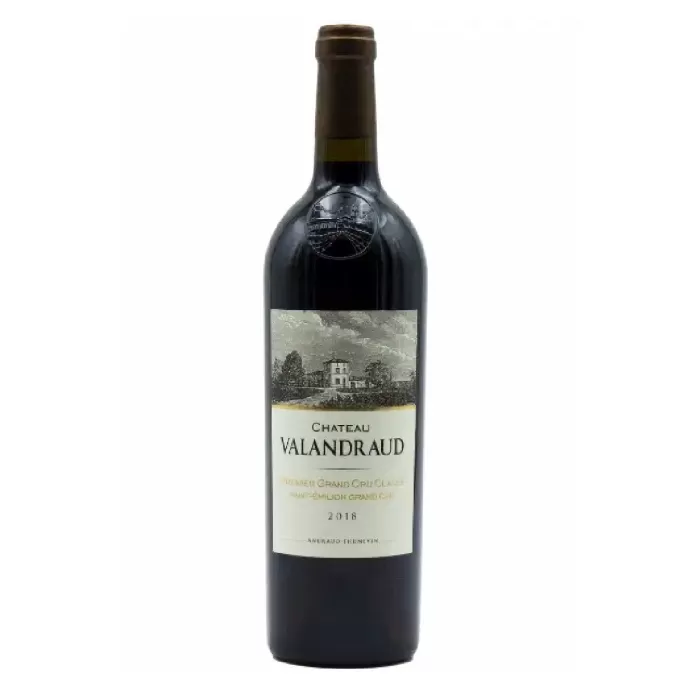
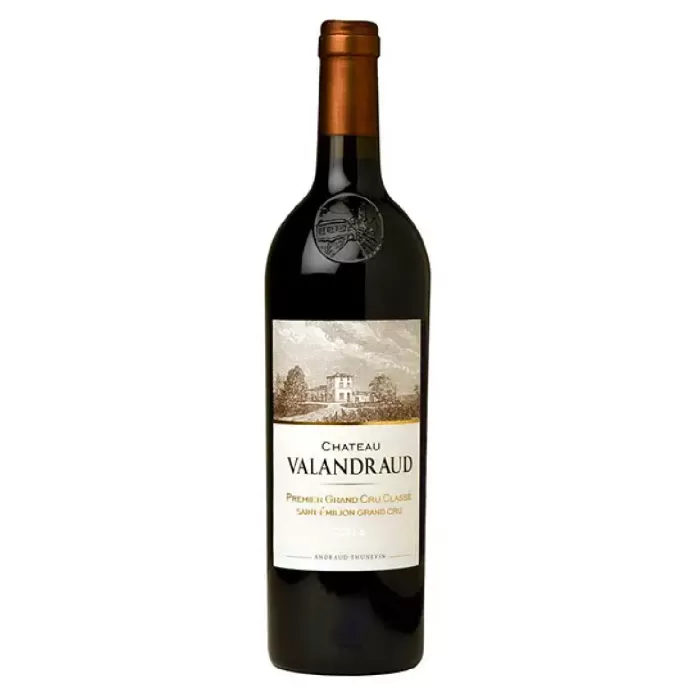
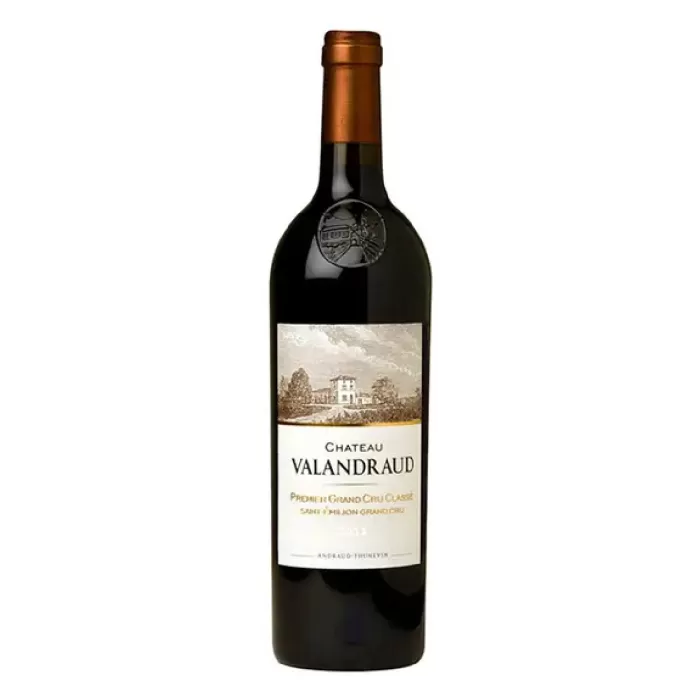
Chateau Valandraud 1er Grand Cru Classe 2019
75cl
/
15.5% Vol
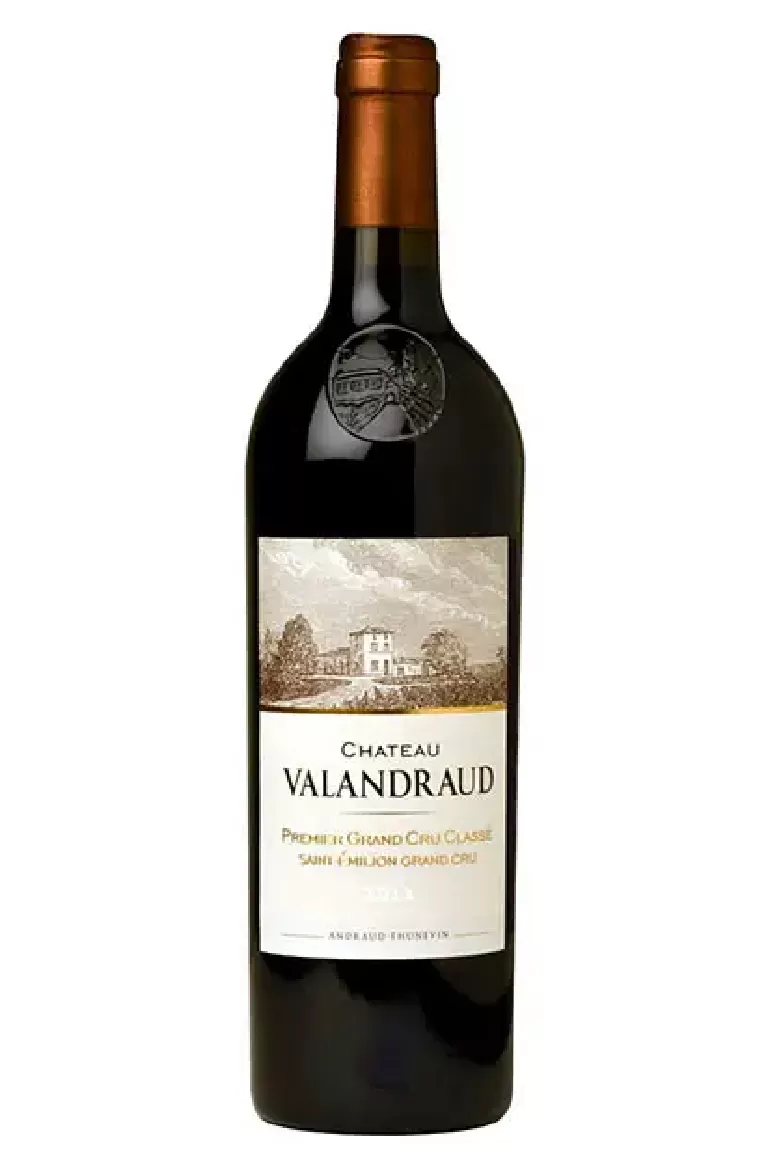
What might just be Château Valandraud’s finest wine yet! Awarded 99 points by Jeb Dunnuck and Wine Enthusiast, this is a must-have for Bordeaux collectors. Made from a blend of 90% Merlot, 7% Cabernet Franc, and 3% Cabernet Sauvignon. Deep, rich, full-bodied, and wonderfully concentrated, it has insane purity of fruit, brilliant tannins, a stacked mid-palate, and just has everything in the right places.
See product details
Chateau Valandraud 1er Grand Cru Classe 2019
€280.00
Ex Tax: €227.64
All online sales are securely processed and can be made by either Visa or Mastercard. You can choose to pay in Euro, US Dollars or British Pounds.

Product Details
Tasting Notes from the Producer
Flavour
Richly saturated midnight-purple color. Regal aromas of incense, purple flowers, Alpine herbs, cedar, graphite, and laurel dance around a core of fresh blackberries and plums. The fruit becomes more powerful on the palate, showing as berry compote. The refined oak gives polish and structure plus decadent flavors of cocoa, Madagascar vanilla, toast, and allspice. Massively rich with pixelated tannins and an ultra-sleek minty finish. Drink now–2050.
Fact Sheet
Fluid
75cl
Grape Variety
90% Merlot, 7% Cabernet Franc, 3% Cabernet Sauvignon
Alcohol %
15.5%
Country
France
Producer
Chateau Valandraud
Awards and/or Press Quotes
Awards and/or Press Quotes
99 points - Jeb Dunnuck
99 points - Wine Enthuaist
FAQs
Dark chocolate pairs best with wines that have the structural intensity to match its bitter cocoa and tannin character without being overwhelmed. Fortified wines are the strongest match: aged Tawny Port with its dried fig, rancio, and roasted nut character is the classic pairing. Banyuls from the Roussillon, a naturally sweet Grenache based wine, is the benchmark French equivalent. A full bodied, fruit forward red such as Zinfandel or Amarone can also work, where the ripe dark fruit and spice complement the chocolate.
Many wines use animal derived fining agents during production to clarify and stabilise the liquid before bottling. Common fining agents include isinglass (derived from fish swim bladders), gelatine (bovine or porcine), casein (milk protein), and egg whites (albumin). These are added to bind suspended particles and removed before bottling, but trace quantities may remain. Vegan wines use alternatives including bentonite clay, activated carbon, or pea protein. Checking the Barnivore database or looking for a vegan certification on the label is the most reliable approach.
Customer Reviews
Customer Reviews