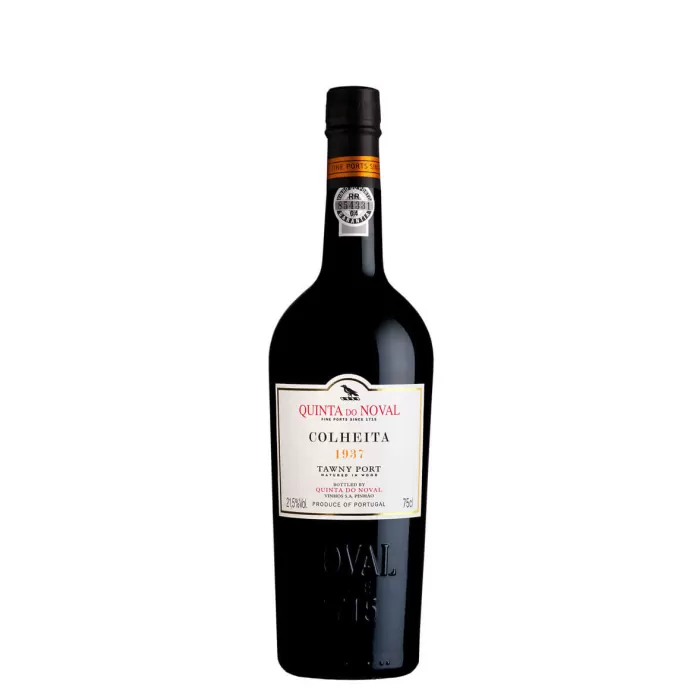
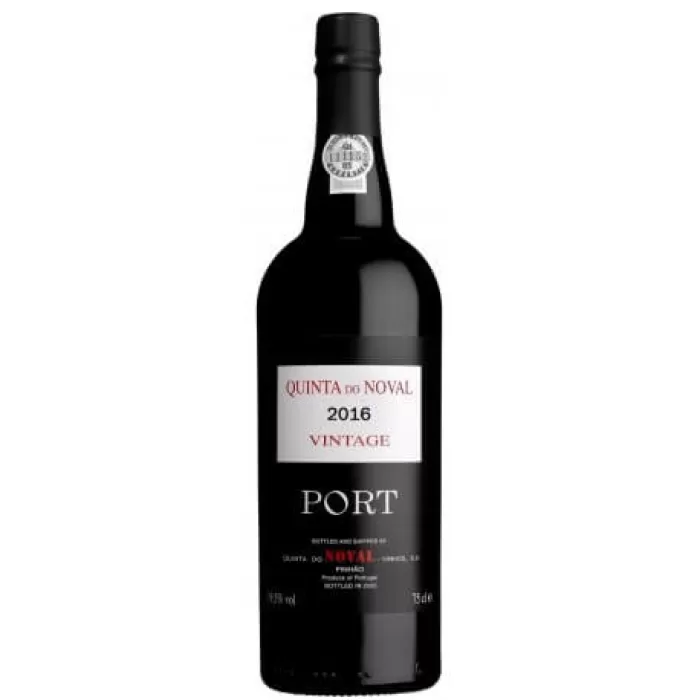
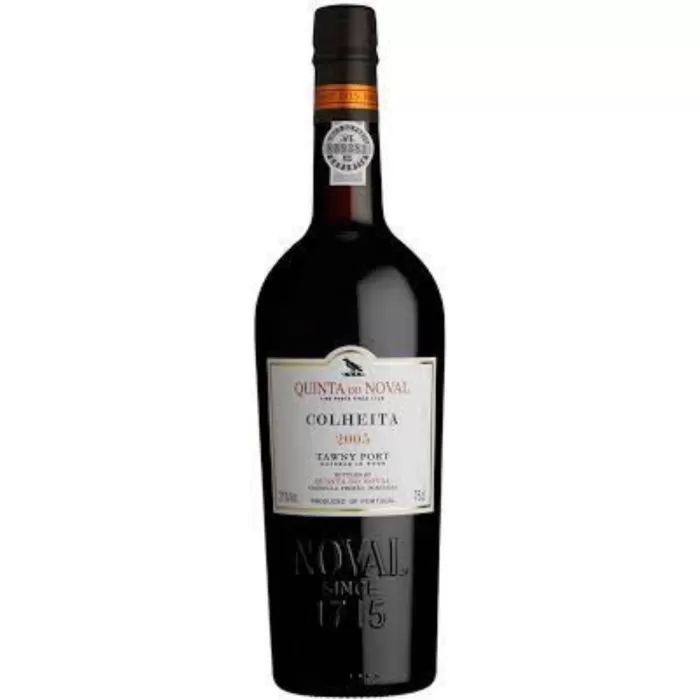
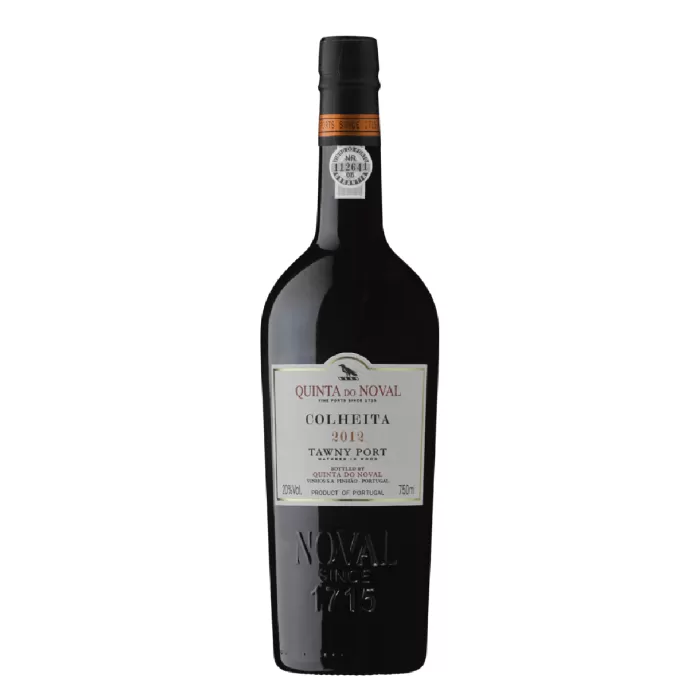
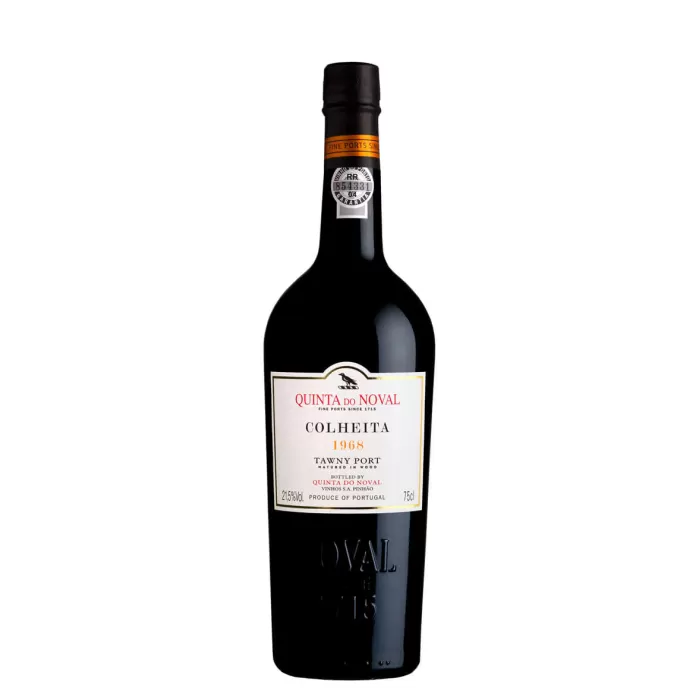
Noval Colheita 1968
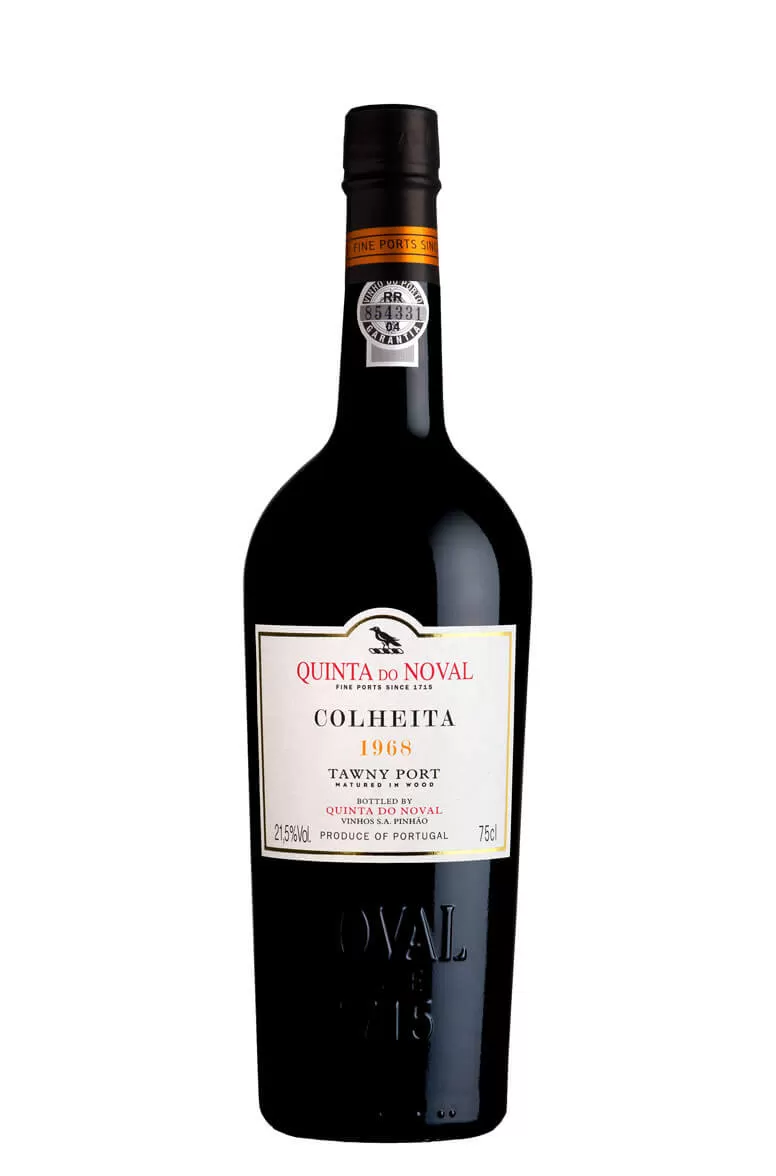
The old Tawny Port for the lover of old Tawny Ports. Whereas our great 10, 20 and 40 year-old tawnies are blends, designed to maintain a consistent house style, a Colheita takes its personality from the year in which it was made. Each Colheita is distinctive yet at the same time strongly marked by the Quinta do Novalterroir.
See product details
Noval Colheita 1968
Product Archives
The product details are for information purposes only. It is no longer available for sale, but you may be able to find in on our auction site.
Visit Celtic Whiskey AuctionsProduct Details
Tasting Notes from Celtic Whiskey Shop and Wines on the Green
Nose
Great expressive nose of chocolate, orange and honey
Palate
Palate is rich and well textured with a beautiful orange/citrus note, good acidity and a rich chocolaty/mocha bittersweet finish
Colour
Brick Red/Orange
Fact Sheet
Fluid
75 cl
Grape Variety
Variety of grapes from the Quint do Noval Vineyard
Alcohol %
21.5% ABV
Style
Port
Estate/Producer
Quinta do Noval
Country
Portugal
Region/AOC
Douro
Vintage
1968
Making Techniques
In exceptional years, certain lots of wine with great ageing potential are set aside to spend their lives maturing in casks. At a given stage it is decied to bottle the vintage. The rest is kept in casks where it will mature into new expression at a later stage. Thus, one and the same Colheita vintage can be put onto the market on 3 or 4 occassions: After 15 Years, 30 Years or 40 Years of maturing, an in some cases even longer
Closure
Cork
Cellaring/Ageing Potential
For Drinking Now
FAQs
Dark chocolate pairs best with wines that have the structural intensity to match its bitter cocoa and tannin character without being overwhelmed. Fortified wines are the strongest match: aged Tawny Port with its dried fig, rancio, and roasted nut character is the classic pairing. Banyuls from the Roussillon, a naturally sweet Grenache based wine, is the benchmark French equivalent. A full bodied, fruit forward red such as Zinfandel or Amarone can also work, where the ripe dark fruit and spice complement the chocolate.
Many wines use animal derived fining agents during production to clarify and stabilise the liquid before bottling. Common fining agents include isinglass (derived from fish swim bladders), gelatine (bovine or porcine), casein (milk protein), and egg whites (albumin). These are added to bind suspended particles and removed before bottling, but trace quantities may remain. Vegan wines use alternatives including bentonite clay, activated carbon, or pea protein. Checking the Barnivore database or looking for a vegan certification on the label is the most reliable approach.