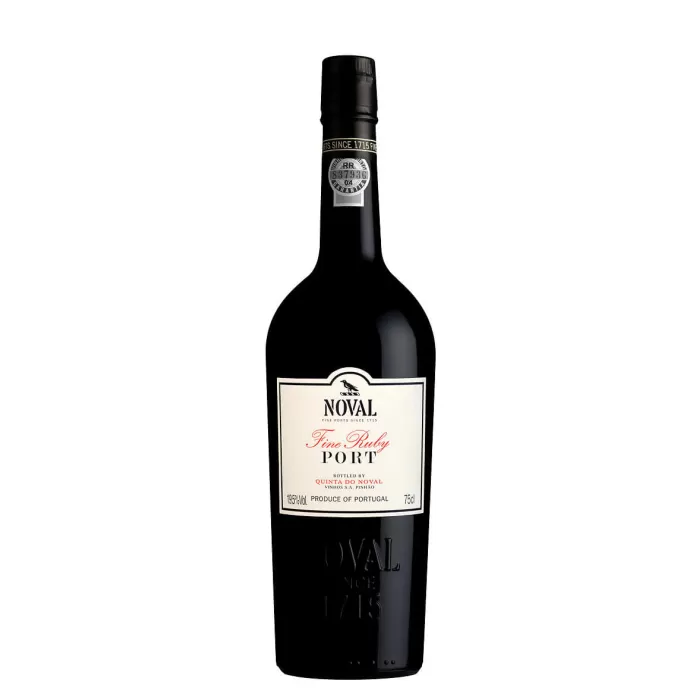
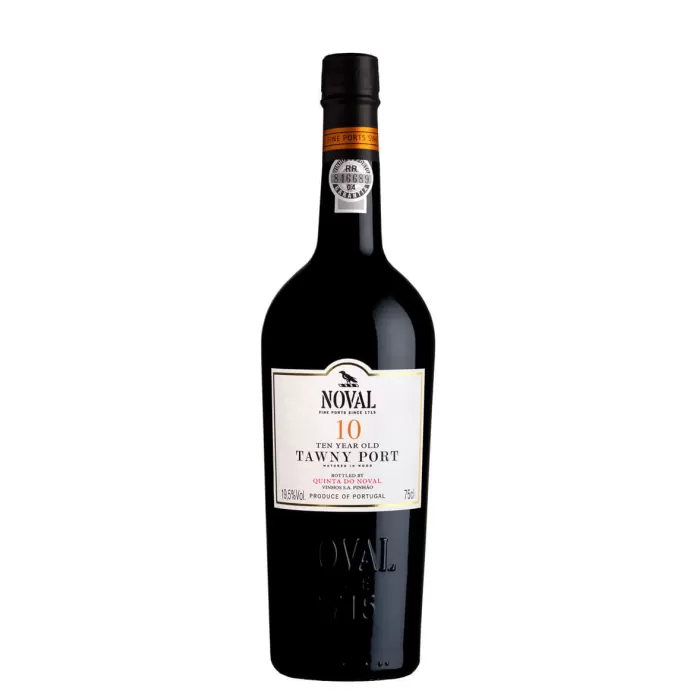
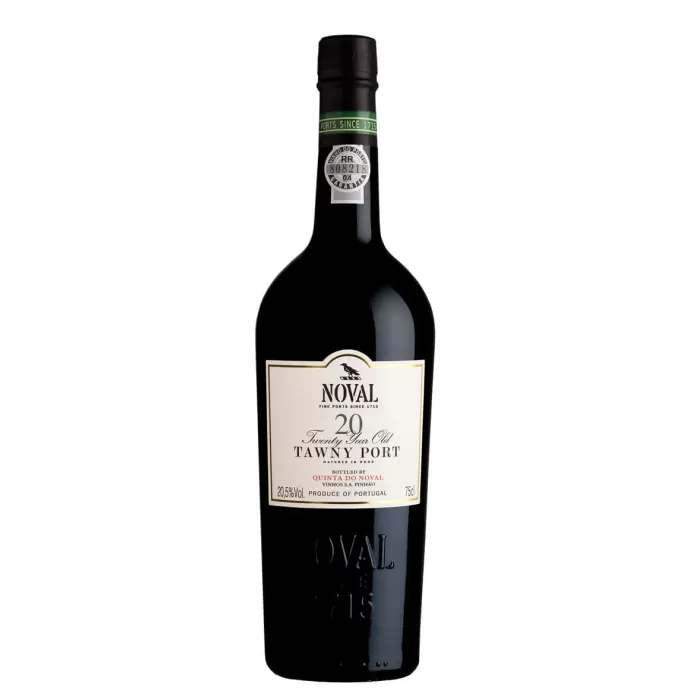
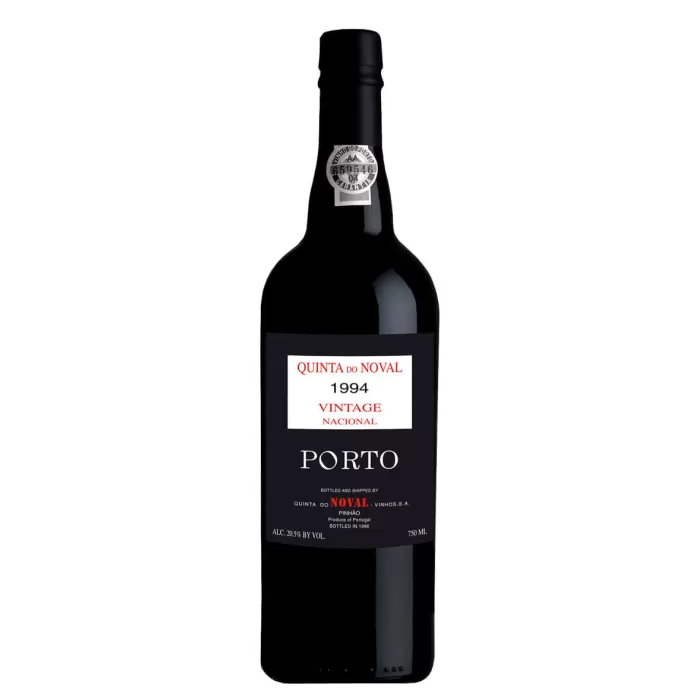
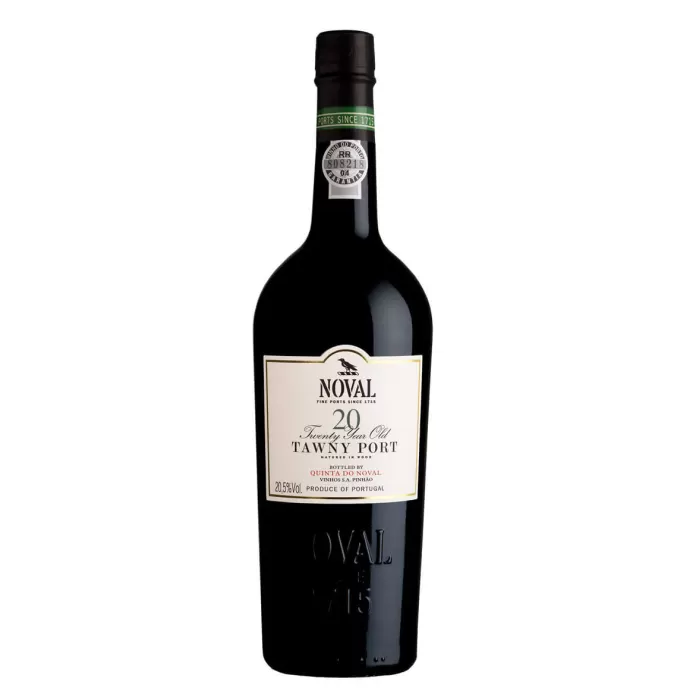
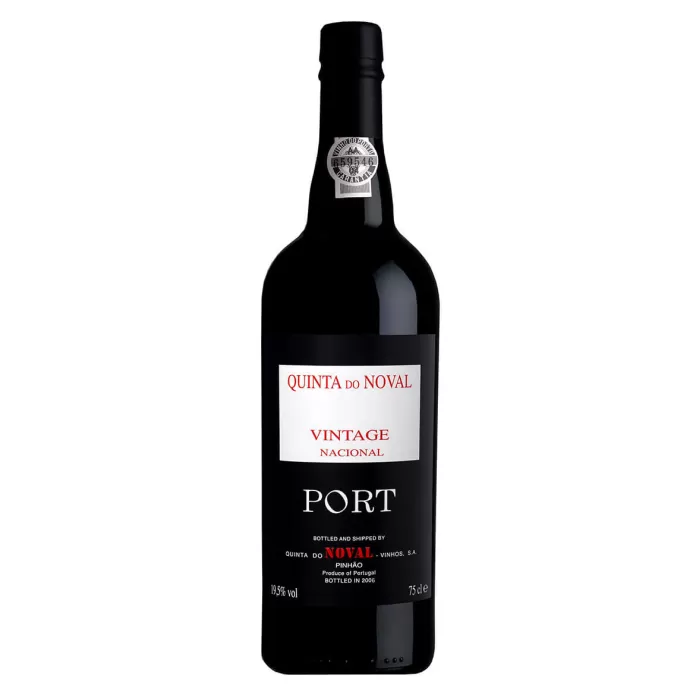
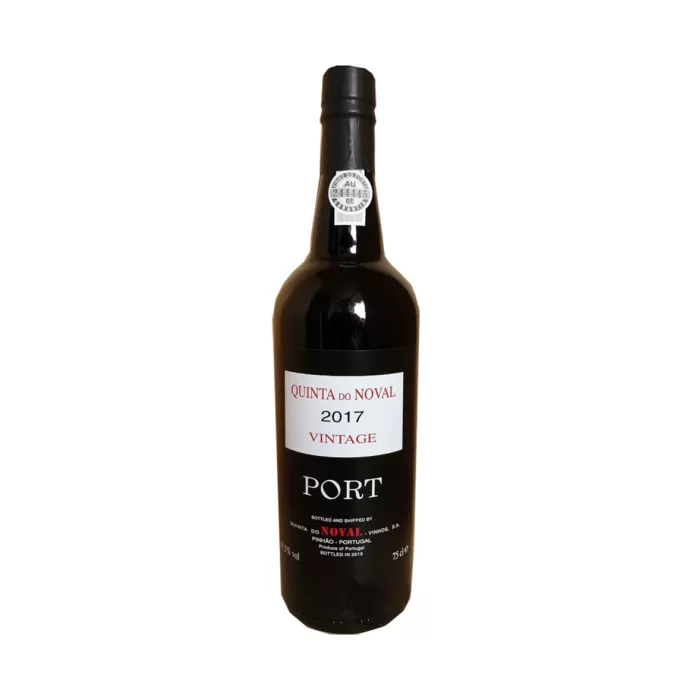
Quinta do Noval Vintage Port 2017

The name Quinta do Noval is synonymous with the world of fine port. Dating back to the early 18th century, the winery, which is situated in the heart of the Douro Valley, has produced some of the worlds most sought after ports. 2017 was one of the hottest years on record and by harvest only 300mm of rain had fallen since November 2016. Despite this, the vines produced a stunning crop and the 2017 vintage has received 97 points from Robert Parker!
Quinta do Noval Vintage Port 2017
Product Archives
The product details are for information purposes only. It is no longer available for sale, but you may be able to find in on our auction site.
Visit Celtic Whiskey AuctionsProduct Details
Tasting Notes from Celtic Whiskey Shop and Wines on the Green
Nose
The nose is highly aromatic and intensely fruity with pronounced notes of eucalyptus and spice.
Tasting Notes from the Producer
Flavour
The palate is deep and beautifully structured. Very powerful fruit flavours begin to develop with time in the glass. The length is outstanding.
Fact Sheet
Fluid
75cl
Grape Variety
Touriga Nacional, Touriga Franca, Tinto Cao, Sousao and Tinra Roriz.
Alcohol %
19.5%
Country
Portugal
Region/AOC
Douro Valley
Producer
Quinta do Noval
Food Matching
Food Matching
Pairs very well with desserts and makes an excellent aperitif.
Serving Suggestion
Serving Suggestion
Best served between 15 and 17 degrees Celsius.
Awards and/or Press Quotes
Awards and/or Press Quotes
Robert Parker - 97/100
FAQs
Dark chocolate pairs best with wines that have the structural intensity to match its bitter cocoa and tannin character without being overwhelmed. Fortified wines are the strongest match: aged Tawny Port with its dried fig, rancio, and roasted nut character is the classic pairing. Banyuls from the Roussillon, a naturally sweet Grenache based wine, is the benchmark French equivalent. A full bodied, fruit forward red such as Zinfandel or Amarone can also work, where the ripe dark fruit and spice complement the chocolate.
Many wines use animal derived fining agents during production to clarify and stabilise the liquid before bottling. Common fining agents include isinglass (derived from fish swim bladders), gelatine (bovine or porcine), casein (milk protein), and egg whites (albumin). These are added to bind suspended particles and removed before bottling, but trace quantities may remain. Vegan wines use alternatives including bentonite clay, activated carbon, or pea protein. Checking the Barnivore database or looking for a vegan certification on the label is the most reliable approach.