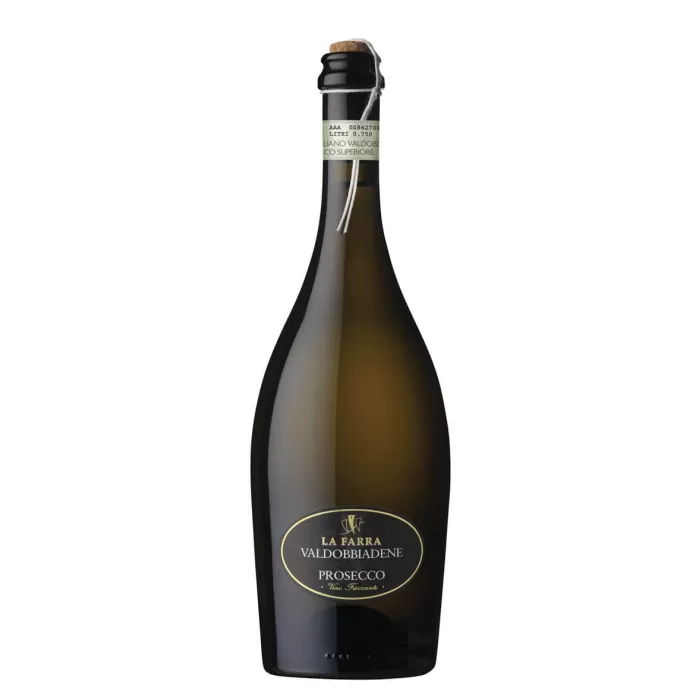
La Farra Sparkling Rosé IGT Marca Trevigiana
75 cl
/
11% Vol

In Ireland this would be known as Prosecco Rosé but this is incorrect as Prosecco is a white grape variety. This Frizzante Rosé is a blend of Pinot Grigio, Prosecco and Raboso (a red grape) and has a touch more body than a regular Prosecco but is also dry in style. It is perfect as an aperitif or for serving with light meals and desserts.
See product details
La Farra Sparkling Rosé IGT Marca Trevigiana
€15.00
Ex Tax: €12.20
All online sales are securely processed and can be made by either Visa or Mastercard. You can choose to pay in Euro, US Dollars or British Pounds.

Product Details
Tasting Notes from Celtic Whiskey Shop and Wines on the Green
Nose
Pronounced bouquet, persistent and very fine. Offers a wide range of fruit aromas, bringing to mind peaches and red currants.
Palate
Dry and refreshing on the palate, well structured and superbly soft. It offers a harmonious balance of sensations and a fruity finish.
Colour
Delicate Pale Pink, fine and continuous mousse
Fact Sheet
Fluid
75 cl
Grape Variety
Pinot Grigio, Prosecco and Raboso (a red grape)
Alcohol %
11%
Style
Frizzante/Semi-sparkling
Estate/Producer
Azienda La Farra
Country
Italy
Region/AOC
Prosecco di Congeliano e Valdobbiadene
Vintage
NV
Closure
Cork
Cellaring/Ageing Potential
Drinking Now
FAQs
Dark chocolate pairs best with wines that have the structural intensity to match its bitter cocoa and tannin character without being overwhelmed. Fortified wines are the strongest match: aged Tawny Port with its dried fig, rancio, and roasted nut character is the classic pairing. Banyuls from the Roussillon, a naturally sweet Grenache based wine, is the benchmark French equivalent. A full bodied, fruit forward red such as Zinfandel or Amarone can also work, where the ripe dark fruit and spice complement the chocolate.
Many wines use animal derived fining agents during production to clarify and stabilise the liquid before bottling. Common fining agents include isinglass (derived from fish swim bladders), gelatine (bovine or porcine), casein (milk protein), and egg whites (albumin). These are added to bind suspended particles and removed before bottling, but trace quantities may remain. Vegan wines use alternatives including bentonite clay, activated carbon, or pea protein. Checking the Barnivore database or looking for a vegan certification on the label is the most reliable approach.
Customer Reviews
Customer Reviews

-700x700h.webp "May Loag Oriel")