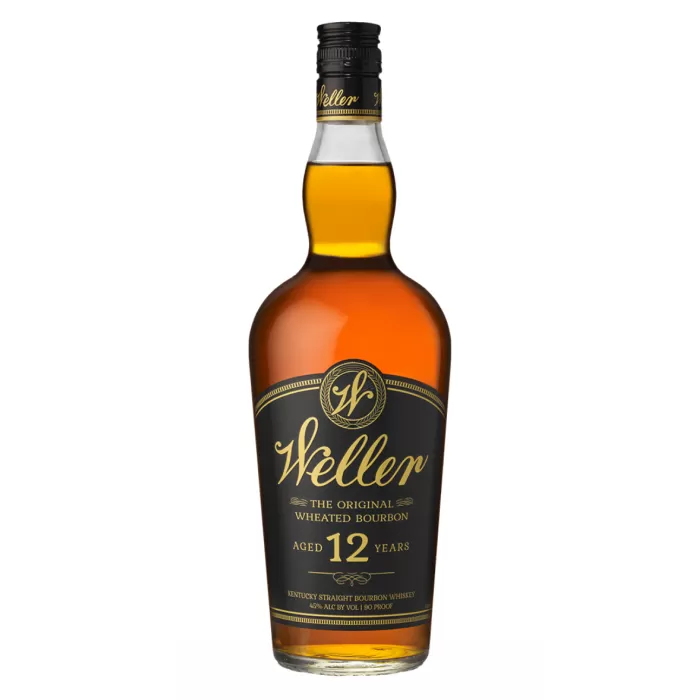
Weller 12 Year Old 70cl
70cl
/
45% Vol
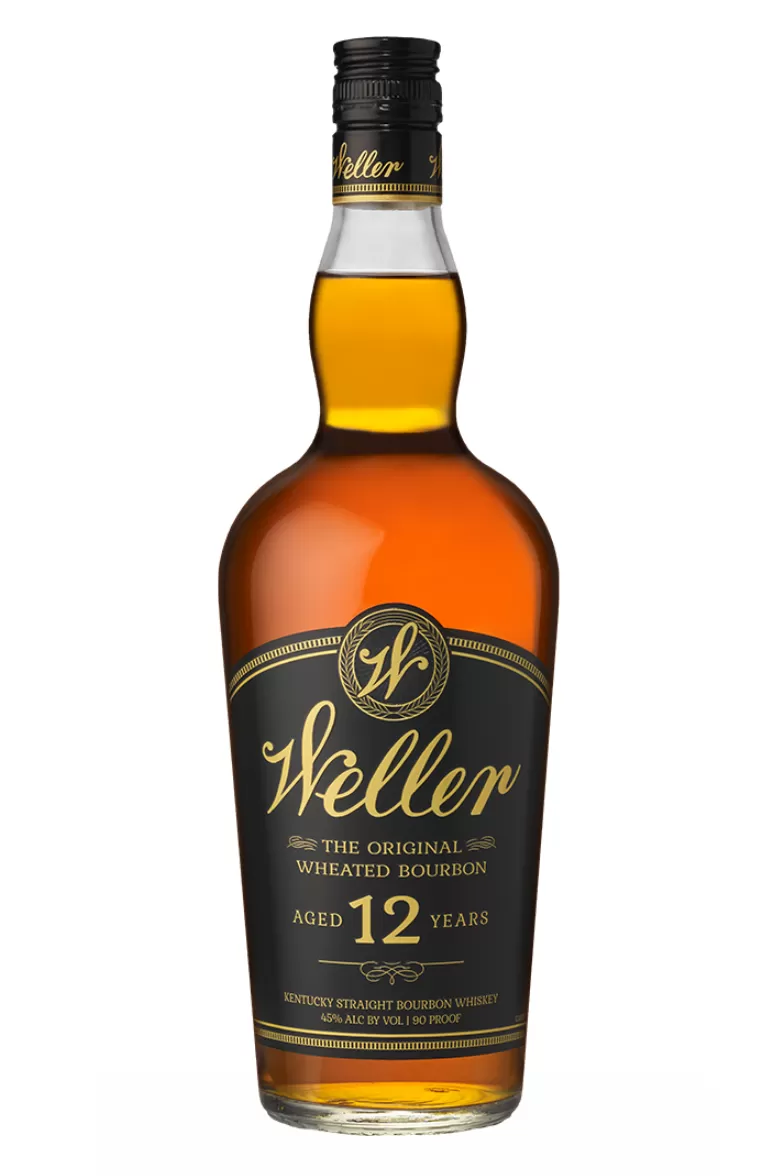
A true gem in the world of bourbon, Weller 12 Year Old is crafted using a wheated mash bill, delivering an exceptionally smooth and rich character. Aged for 12 years, this sought-after whiskey boasts deep flavors of caramel, vanilla, and dark fruit, balanced by soft oak and a lingering, velvety finish.
Often compared to Pappy Van Winkle due to its shared mash bill, Weller 12 is a must-have for bourbon lovers seeking elegance and complexity in every sip
Weller 12 Year Old 70cl
€67.50
Ex Tax: €54.88
All online sales are securely processed and can be made by either Visa or Mastercard. You can choose to pay in Euro, US Dollars or British Pounds.

Product Details
Fact Sheet
Fluid
70cl
Alcohol %
45%
FAQs
Neat at room temperature is the most revealing format for high quality bourbon, allowing the caramel, vanilla, and baking spice notes from new charred American oak to fully express. At cask strength, a few drops of water will open the ester profile and reduce ethanol burn. A large ice sphere slows dilution while slightly suppressing the nose. Avoid tonic and cola with anything aged over ten years.
Bourbon is an American straight whiskey distilled from a grain bill containing a minimum 51% corn, distilled to no higher than 80% ABV, and aged in new charred American oak containers. There is no minimum age requirement except for straight bourbon, which requires two years. It must be produced in the United States. Kentucky produces over 95% of the world's supply but the state designation is not legally required.
Bourbon requires a minimum 51% corn in the mash bill, with the remainder made up of malted barley plus a secondary grain, typically rye or wheat. High rye bourbons such as Four Roses deliver spicy, herbal complexity on the palate. Wheated bourbons such as Maker's Mark and W.L. Weller produce a softer, caramel and dried fruit character. The malted barley provides the enzymes needed to convert starches into fermentable sugars.
Bourbon is a subcategory of American whiskey subject to specific federal regulations: minimum 51% corn mash bill, new charred oak maturation, distillation below 80% ABV, and US production. All bourbon is whiskey, but not all whiskey is bourbon. Irish, Scotch, Japanese, and Canadian whiskies each operate under their own separate legal production frameworks with entirely different grain bills and maturation requirements.
Customer Reviews
Customer Reviews
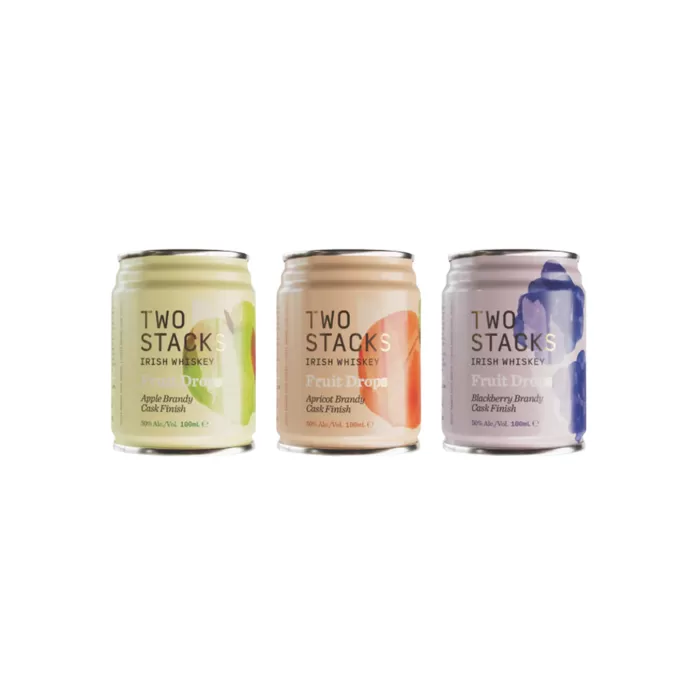
-700x700h.webp "Two Stacks Fruit Drops Dram in a Can Discovery Pack 3x10cl")
-700x700h.webp "Kings Ginger Liqueur")